

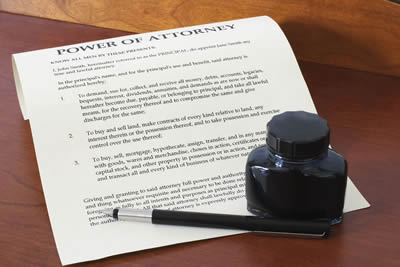
When people think of estate planning, they often focus on wills and trusts. But there’s another key piece that deserves just as much attention: the Power of Attorney (POA). A POA is a document that allows someone you trust to make decisions on your behalf if you’re unable to do so. Without it, your family may need to go through a lengthy and costly court process just to step in and help.
Understanding POAs: What Is a Power of Attorney?
A Power of Attorney is a legal document where you (the “principal”) give another person (the “agent” or “attorney-in-fact”) the authority to act for you. The scope of that authority depends on the type of POA you choose.
Types of Powers of Attorney
Durable Financial Power of Attorney
This allows your agent to manage your finances—pay bills, handle bank accounts, sign documents, or even sell property—if you can’t. “Durable” means it remains effective even if you become incapacitated.
Health Care Power of Attorney
This document lets you appoint someone to make medical decisions for you if you’re unable to communicate with your doctors. It often works alongside a living will, which spells out your specific wishes about life support and end-of-life care.
Limited or Special Power of Attorney
This is used for specific situations. For example, you might give someone authority to sign real estate documents on your behalf while you’re out of the country.
Springing Power of Attorney
This type “springs” into effect only under certain conditions, such as when a doctor certifies that you’re incapacitated.
Why POAs Matter
Without a valid POA, your family may have no legal authority to act on your behalf. That could mean delays in paying bills, managing investments, or making critical medical choices. In many cases, your loved ones would need to ask a court to appoint a guardian—an expensive, time-consuming, and public process.
By putting POAs in place now, you decide who makes decisions for you, not the court. It’s one of the simplest but most powerful ways to protect yourself and your family.
POAs in North Carolina
North Carolina law has specific rules about how POAs must be written and signed to be valid. Using a generic form downloaded online can lead to problems later if it doesn’t meet state requirements. Working with a local attorney ensures your documents are tailored to your needs and compliant with North Carolina law.
Take Control of Your Future
POAs may not be as well-known as wills or trusts, but they’re just as important in a complete estate plan. They give you peace of mind knowing that if something happens, the people you trust most will have the authority to step in right away.
At Knipp Law Office, we make the process simple and clear so you can feel confident about the future. If you need help understanding POAs or just have questions, our caring staff is here to help.
To learn more about Powers of Attorney and how they fit into your estate plan, call Knipp Law Office at (704) 610-4276 (press option 2) to schedule a consultation.